

Cold storage runs nonstop. Your protection should too.
Freezer doors, racking, and tight aisles take constant hits in cold storage. A-SAFE polymer barriers absorb impacts, prevent structural damage, and help keep operations moving without costly repairs.
Why Material Choice Matters in Your Cold Storage Facility
In cold storage environments operating at subzero temperatures, material behavior becomes critical. Traditional steel barriers become brittle as temperatures drop, increasing the risk of cracking or permanent damage after repeated impacts.
This video explains how A-SAFE polymer barriers are engineered to maintain flexibility in cold storage environments, helping absorb impacts and reduce damage to surrounding infrastructure.
Common Issues Across Cold Storage Facilities

Where repeated impacts create the biggest challenges
- Impacts damaging freezer doors, door frames, and racking
- Pedestrian risk in tight, low-visibility freezer areas
- Steel barriers bending or transferring force into floors
- Unplanned downtime and maintenance from repeated structural damage
Protection Designed for Real Cold Storage Conditions

Cold storage puts constant pressure on protective systems. Tight aisles, low temperatures, and strict hygiene standards leave little room for damage or failure.
A-SAFE polymer barriers absorb impacts rather than pushing force into floors and racking. They’re built to perform reliably in chilled and frozen environments, resist corrosion, and allow damaged sections to be replaced without removing the entire system.
High-Risk Areas in Your Facility

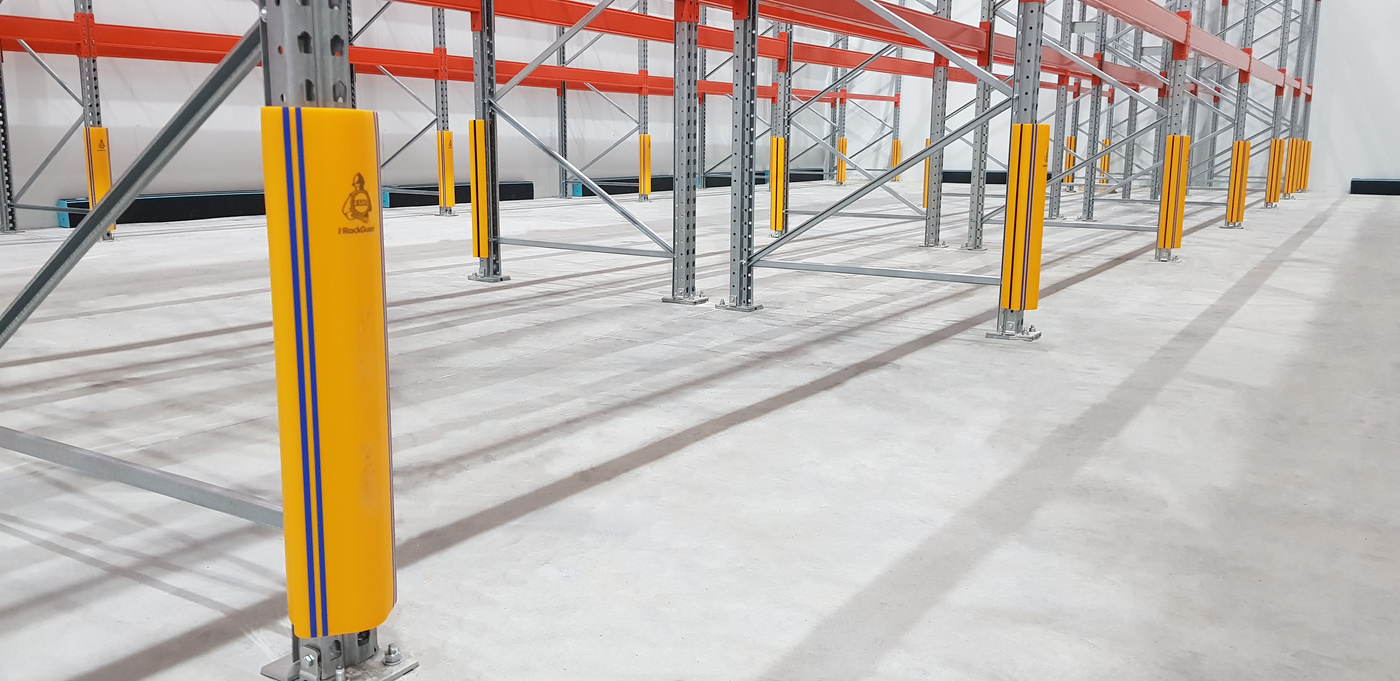
Racking & Pick Aisles
High forklift traffic near rack ends can lead to structural damage and increase the risk of product loss over time, especially in high-density storage areas.

Freezer & Cold Room Doors
Entrances and door frames take frequent hits as vehicles move between temperature-controlled zones, often affecting access points and surrounding infrastructure.

Dock & Staging Areas
Busy transfer zones see constant vehicle movement, exposing them to repeated low-speed collisions during loading and unloading.

Pedestrian Routes
Clear separation is especially important in tight, low-visibility freezer environments where people and vehicles operate in close proximity.
Material Performance: Polymer vs. Steel

How Materials Behave in Cold Storage Environments
Cold temperatures change how materials respond to impact, especially in frozen environments.
STEEL IN THE COLD
-
Can become more brittle at low temperatures
-
More likely to crack or permanently deform after repeated impacts
-
Transfers force into floors, fixings, and surrounding infrastructure
POLYMER IN THE COLD
-
Maintains flexibility in chilled and frozen environments
-
Absorbs impact energy instead of cracking or shattering
-
Helps reduce damage to both the barrier and nearby structures
Popular Products

Designed for sub-zero environments. High-strength guardrail with handrail. Protects people and assets from heavyweight vehicles.

Designed for sub-zero environments. Multi-purpose impact protection for corners, doorframes, loading bays and vital assets.

Designed for sub-zero environments. High-strength guardrail for segregating heavy vehicles. Protects assets from impact damage.

This helps connect you with an A-SAFE specialist to review your cold storage environment and share relevant information. A team member may follow up to learn more about your site.