

Built for Facilities That Can't Afford to Stand Still
A-SAFE invented the polymer safety barrier. Today, Nestlé facilities across the U.S. are seeing why that difference matters, from high-traffic production floors to forklift charging areas where the wrong barrier can cost far more than it saves.
Sound Familiar?

Food and beverage manufacturing keeps people, forklifts, and equipment moving in close proximity all day, every day. When barrier systems are not holding up, the costs add up fast.
- Steel barriers taking repeated hits and showing signs of wear, leading to ongoing repair and repainting cycles
- Equipment damage near forklift charging stations, where high-voltage hazards raise the stakes
- Existing solutions that looked good on paper but are not performing in practice
- Rising maintenance costs that make the "cheaper upfront" option feel a lot less cheap over time
- Damaged assets and infrastructure that take production focus away from what matters
If your team is managing any of these challenges, we should talk.
A Different Kind of Safety System

Why the original polymer barrier still sets the standard
A-SAFE pioneered the use of engineered polymer in industrial safety barriers. Unlike steel, polymer absorbs impact energy and returns to shape, which means one collision does not automatically mean a repair call, an anchor replacement, or a barrier that is no longer doing its job.
In busy food and beverage environments, impact is not the exception. It is part of the operational reality. What changes with A-SAFE is what happens after impact: the barrier keeps working, the floor anchor stays intact, and your team can move on without scheduling a repair.
Many Nestlé team members who have seen A-SAFE barriers in action have noted how surprising it is to see a barrier rebound after a hit and look like nothing happened. That resilience is not cosmetic. It reflects a fundamentally different approach to what a barrier is supposed to do.
What Changes When the Barrier System Actually Works

The old way of doing things is not always the cheapest way.
- Fewer repair cycles and lower ongoing maintenance costs compared to steel
- Barriers that remain functional and in place after impact, without requiring anchor replacement
- Clearer vehicle and pedestrian segregation in high-traffic zones
- Reduced risk near charging stations and high-voltage equipment areas
- Protection that holds up over time, not just until the first significant hit
A-SAFE helps protect:
-
Pedestrian walkways and crossings
-
Forklift and pallet truck aisles
-
Charging station perimeters
- Production and packaging zones
-
Racking and storage areas
-
High-traffic intersections and machinery zones
Where A-SAFE Fits in a Nestlé Facility

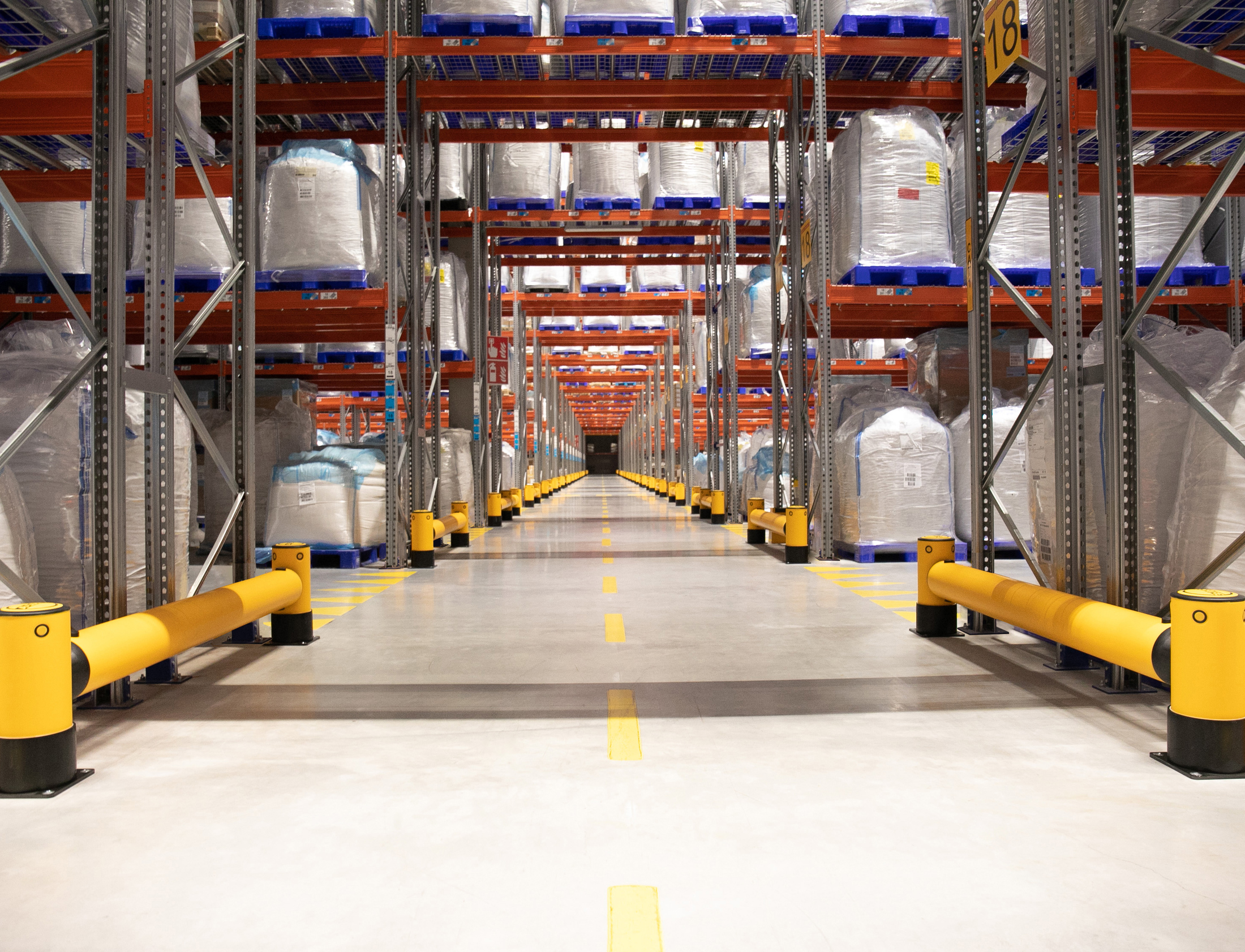
In facilities where forklifts and people share the same floor space, clear physical segregation is essential. A-SAFE barriers define those boundaries and hold them after impact.

Production equipment, conveyors, and packaging lines represent significant investment. A-SAFE barriers take the hit so your equipment doesn't have to.

Swing gates allow controlled pedestrian access through barrier lines without creating gaps in your safety system. Easy to open, easy to close, built to the same impact standard as the barriers they connect.
Seeing Is Believing

One of the most common reactions we hear from facility managers in food and beverage manufacturing is that they did not expect the barriers to bounce back.
After walking a site and seeing both older and newer steel barriers showing visible damage from forklift impacts, the comparison becomes clear. A-SAFE polymer barriers, hit under similar conditions, return to shape and show little visible evidence of the contact. For teams managing maintenance budgets and repair schedules, that difference is not just aesthetic. It changes the math.
Across food and beverage facilities, A-SAFE has replaced failing steel systems and helped teams move from reactive repairs to a more durable, lower-maintenance baseline.
See how A-SAFE has worked in food and beverage environments
Take the next step toward a safer, more efficient facility. Our experts will help you identify risks and find the right protection for your site.