
Where Pedestrian Risk Starts

How everyday movement creates repeat issues in logistics operations
-
Forklifts and pedestrians crossing paths at intersections
-
Shared aisles used by people and equipment at the same time
-
Blind corners with limited visibility
-
Walkways that are marked but not physically protected
-
The same locations taking repeat hits
These risks are predictable. The environment creates them.

Why the Same Areas Keep Taking Hits
In logistics operations, damage rarely happens at random. It shows up in the same locations where traffic overlaps, visibility is limited, or movement is forced through tight spaces.
Over time, these areas become repeat disruption points.
Where Damage Disrupts Logistics Operations Most
The same disruption points appear across logistics facilities where people and vehicles are not clearly separated.

When people and forklifts use the same aisles, racking and stored goods are more likely to take repeated hits. These areas often need ongoing repairs and adjustments to keep operations moving.

Areas around conveyors, sortation equipment, and handoff points are easily disrupted when traffic overlaps. Even minor impacts can slow movement or cause temporary workarounds.

When traffic is routed around columns and walls without clear separation, these structures become frequent impact points. Repairs often affect larger areas than expected.

Limited visibility in shared areas makes it difficult for people and vehicles to anticipate each other’s movement, increasing the likelihood of collisions during busy periods.
Real Customers. Real Impact.
Don’t just take our word for it – discover how A-SAFE solutions have enabled leading organizations to take their logistics operations and safety to the next level.


From Reactive Repairs to Engineered Prevention
Most facilities already know where impacts happen. The challenge is moving from fixing damage after it occurs to preventing it before it disrupts operations. A-SAFE designs traffic segregation around repeat impact zones in your facility, helping reduce damage, downtime, and ongoing repair cycles.
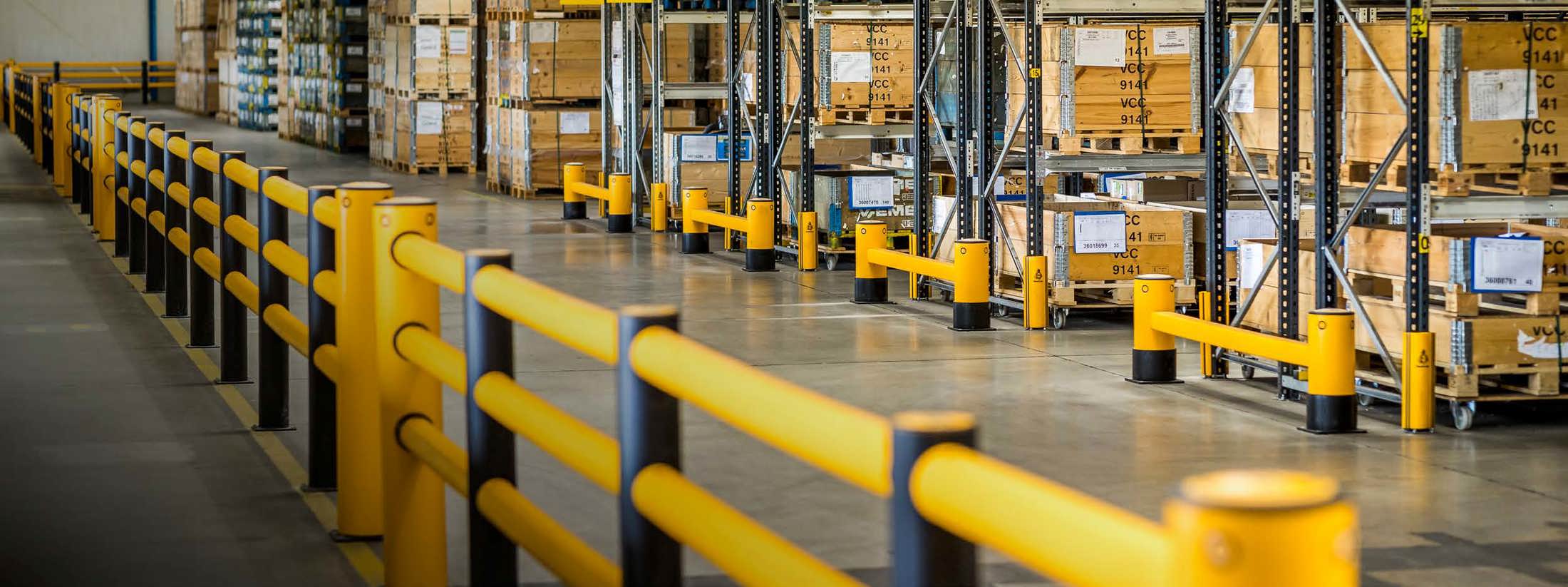
Every logistics facility is different. Share a few details below and an A-SAFE expert will follow up to discuss how traffic segregation can help reduce downtime and support safer movement in your facility.