Repeated Forklift Traffic
Tight aisles and constant pallet movement increase contact around racking, doors and protected routes.

The Operating Reality
Every forklift route in a cold-storage facility runs alongside something that cannot afford to be damaged. Protection must support constant movement without creating another maintenance problem.
Tight aisles and constant pallet movement increase contact around racking, doors and protected routes.
A strike at floor level can put uprights, stored inventory and the surrounding operation at risk.
High-use transition points are exposed to vehicle contact, frame damage and restricted access.
Rigid protection can pass impact force into fixings and concrete, creating a second repair problem.
Cold-Condition Engineering
The A-SAFE cold storage range is purpose-engineered for sub-zero facilities. It is not simply a standard barrier placed inside a freezer. Its material and system behavior are developed for the conditions cold stores create.
Flexible components help manage vehicle force instead of sending it directly into the floor.
Engineered recovery helps the system remain useful after the repeated contact common in busy facilities.
Self-colored polymer does not rust or require repainting after routine contact.
Explore protection designed for freezer warehouses and other demanding sub-zero environments.
The Performance Difference
Appearance says very little about what happens during an impact. Material behavior determines how force is managed, what happens to the floor and whether protection remains dependable.
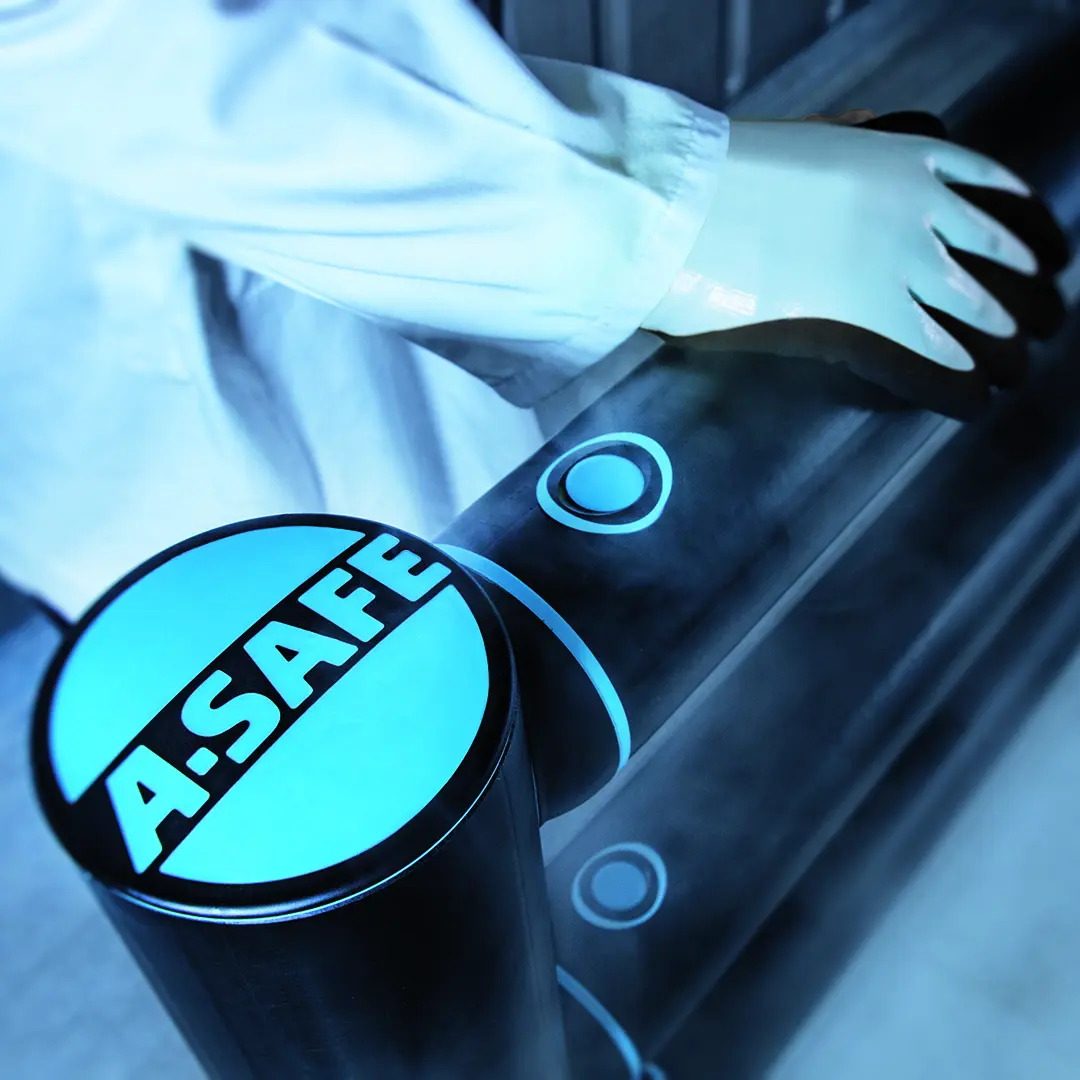
Tested Before Installation
A barrier’s first impact tells only part of the story. Long-term protection depends on how the material behaves through temperature changes, repeated contact and controlled impact conditions.
Material behavior is evaluated under the cold conditions the system is designed to face.
Testing examines how protection responds beyond one isolated collision.
Defined test conditions show how the system absorbs, dissipates and recovers from force.
Engineering considers the complete material response, not simply whether a barrier flexes.
Operational Value
Engineered protection helps cold-storage facilities move away from repeated barrier repairs and toward a more consistent approach to protecting infrastructure and traffic areas.
Start With Your Facility
Discuss your traffic routes, racking, freezer openings and other protection priorities with an A-SAFE specialist.
Request A Cold Storage Protection ReviewFacility-Wide Protection
One engineered approach can address multiple risks across storage, traffic, access and operational areas.
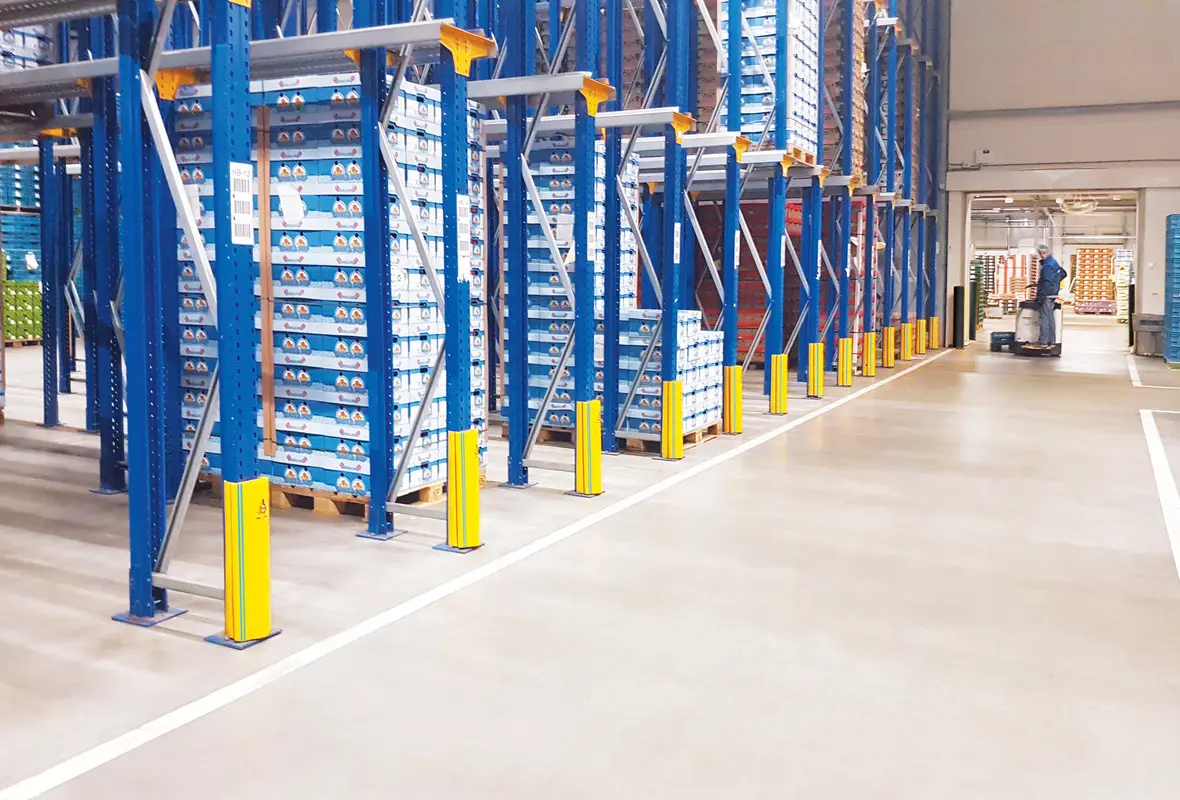
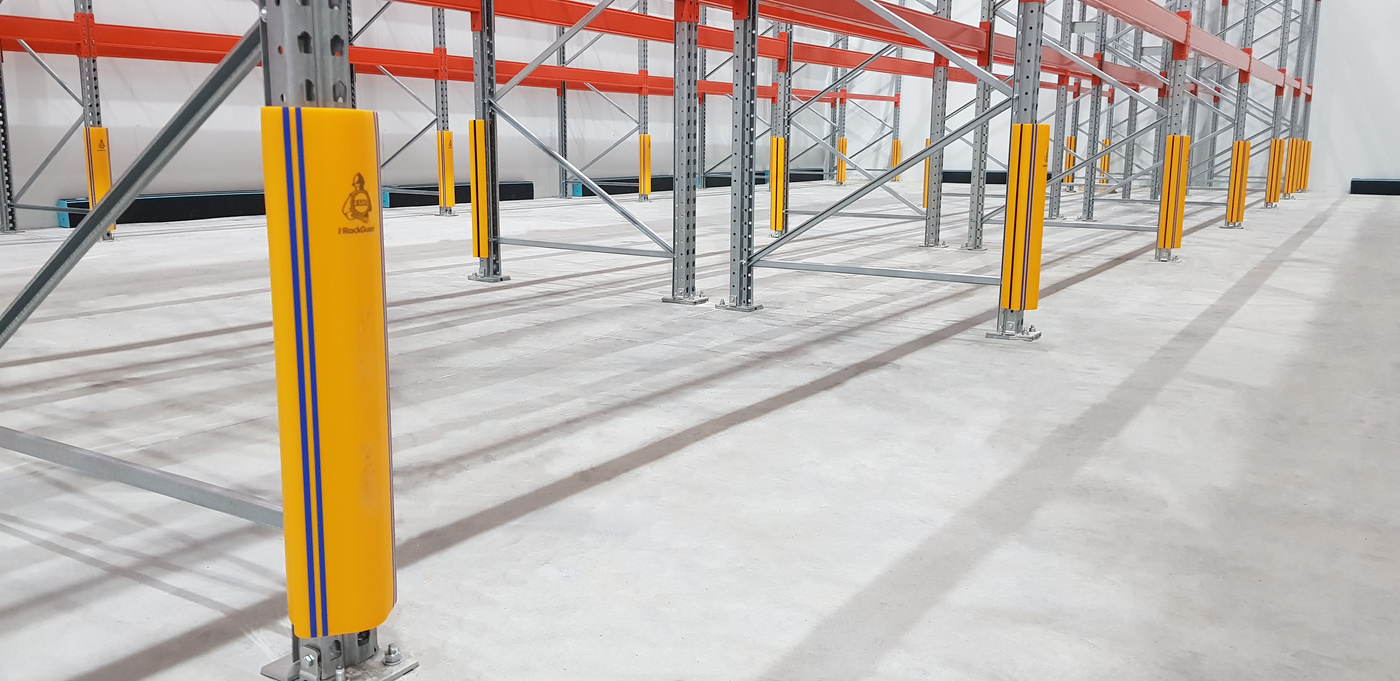
Protect rack legs, uprights and exposed rack ends from front, side and scrape impacts.
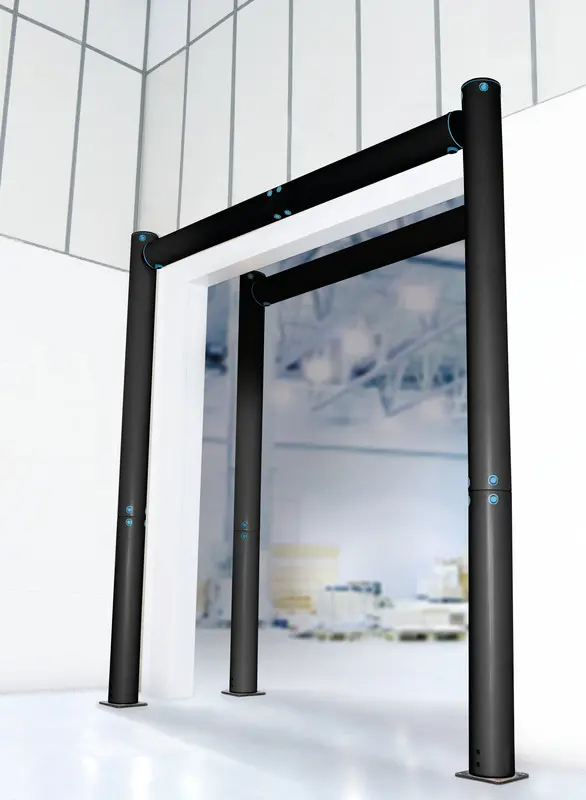
Help protect door frames, restricted openings and overhead infrastructure from vehicle strikes.
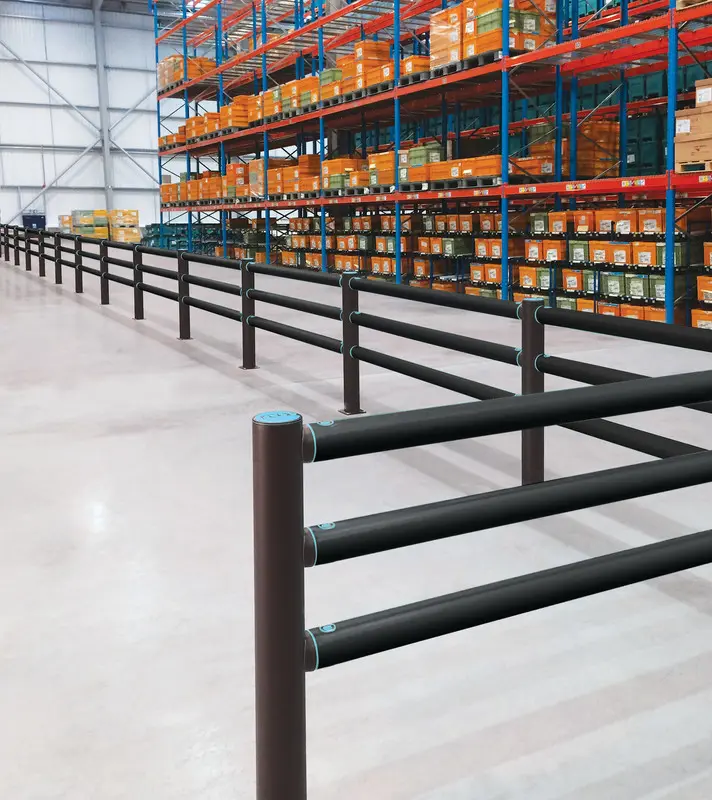
Create visible boundaries between material-handling traffic and protected walking areas.
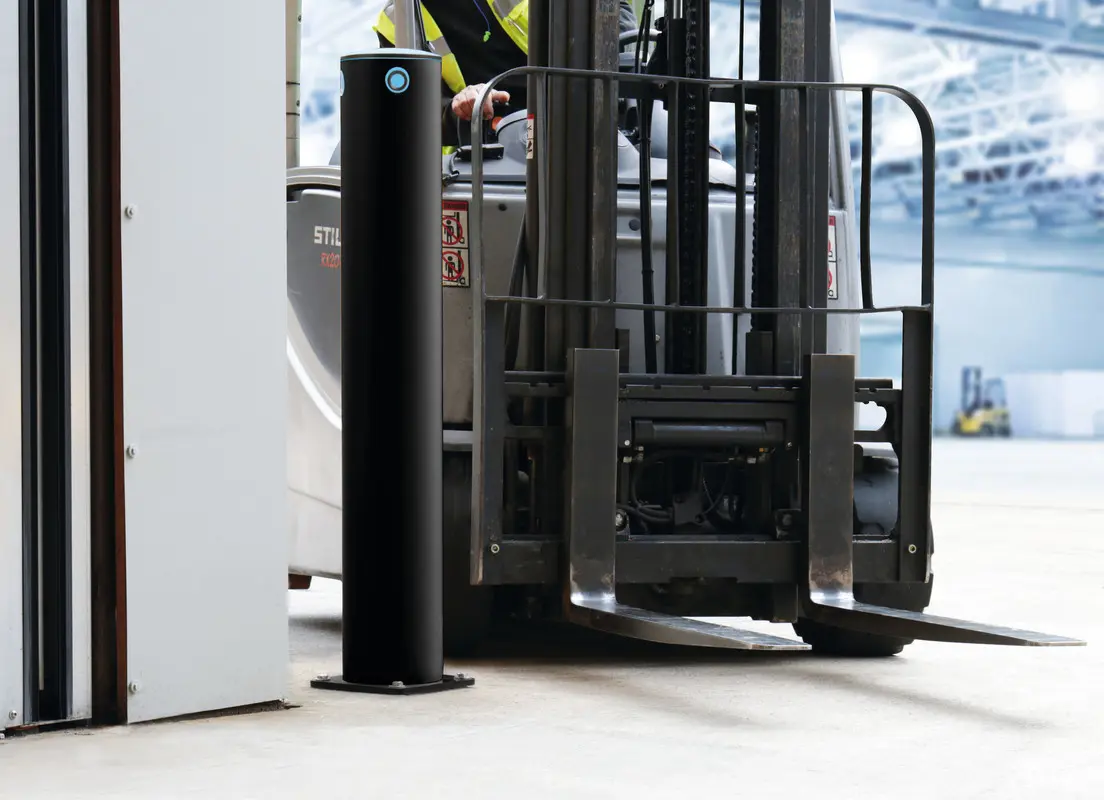
Shield corners, structures and critical equipment positioned beside active vehicle routes.
Tell us where forklift traffic, racking, doorways or other cold-area risks are creating concern. An A-SAFE specialist will help identify the highest-priority protection points and recommend a solution for your site.