
A-SAFE Risk & ROI Calculator
What Could Risk And Damage Be Costing Your Facility?
Answer a few questions about your operation to explore your facility risk, the cost of damage and downtime, and the potential financial impact of prevention.
- Facility Risk
- Damage And Downtime Cost
- Potential ROI
Solving Problems Georgia-Pacific Facilities Already Know
A-SAFE is already being used within Georgia-Pacific operations where heavy forklift traffic was repeatedly damaging steel, where critical machinery needed better separation, and where tall stored materials needed to be secured.
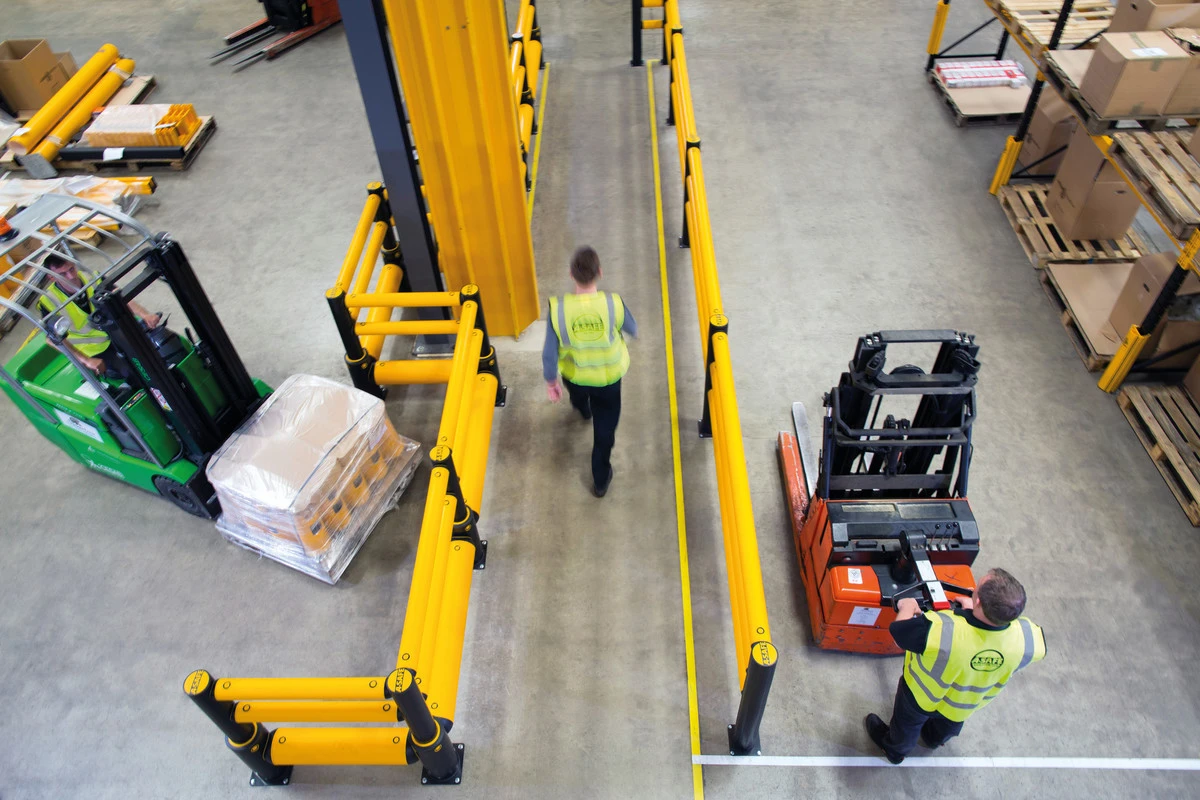
Take What Is Working Into More High-Traffic Areas
Forklifts, clamp trucks, loaders, and employees often need to move through the same operating space. Physical segregation creates a clear boundary where visibility, markings, and procedures alone cannot.
Keep Forklift Traffic Away From What Production Depends On
A-SAFE is already being used at Georgia-Pacific to protect heavy machinery and areas that previously had no physical separation. That same approach can help reduce exposure around the infrastructure that keeps production moving.
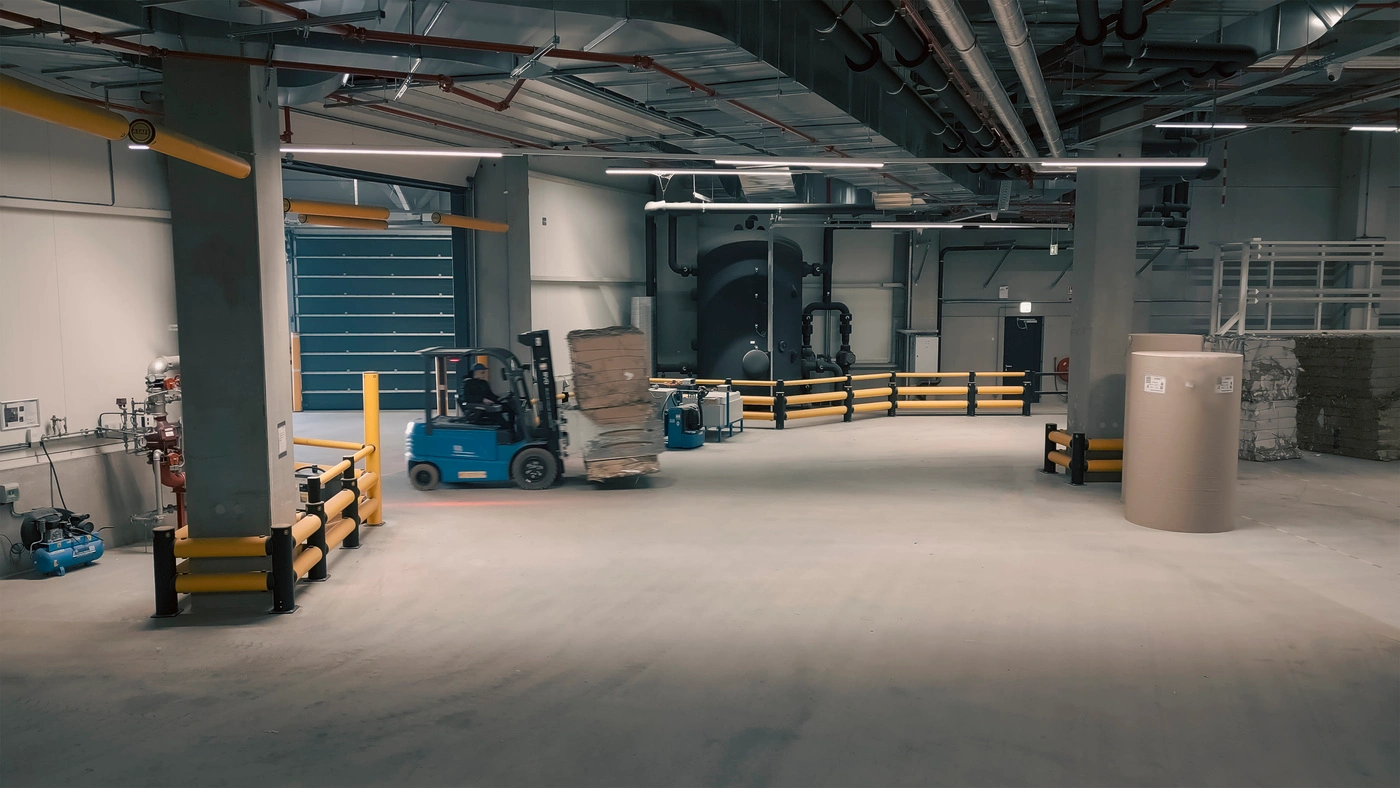
When Steel Keeps Getting Damaged, Replace The Problem
Georgia-Pacific facilities have already replaced frequently damaged steel barriers with A-SAFE systems in heavy-forklift areas. Instead of treating recurring barrier damage as normal maintenance, the system itself can be designed to respond differently to impact.
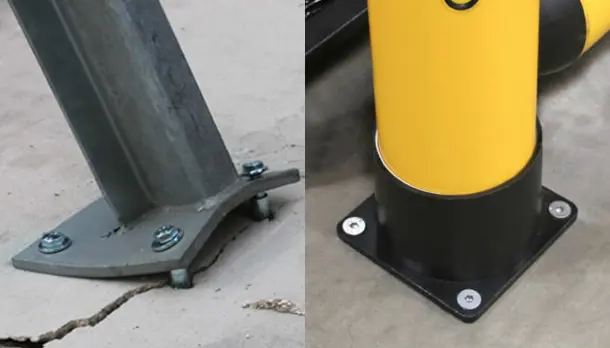
Traditional Rigid Protection
- Can bend or deform after impact
- Transfers more force into anchors and floors
- Can create repeat repair and replacement work
A-SAFE Engineered Polymer
- Flexes during impact
- Absorbs and dissipates impact energy
- Designed to recover and stay in service
Where Could The Same Approach Work Next?
A-SAFE is already solving impact and material-handling challenges inside Georgia-Pacific. Let’s look at where recurring damage, vehicle traffic, or exposed assets are still creating unnecessary risk or maintenance.
Vehicle Impact Is Not The Only Risk In A Busy Facility
Georgia-Pacific has also used A-SAFE Topple systems around tall stacked materials. In operations where large volumes of product are staged, stored, and moved every day, keeping materials contained is part of managing the wider risk around the area.
A-SAFE systems can work together across the same facility, addressing vehicle routes, pedestrian areas, exposed equipment, and material storage without treating each problem as completely separate.
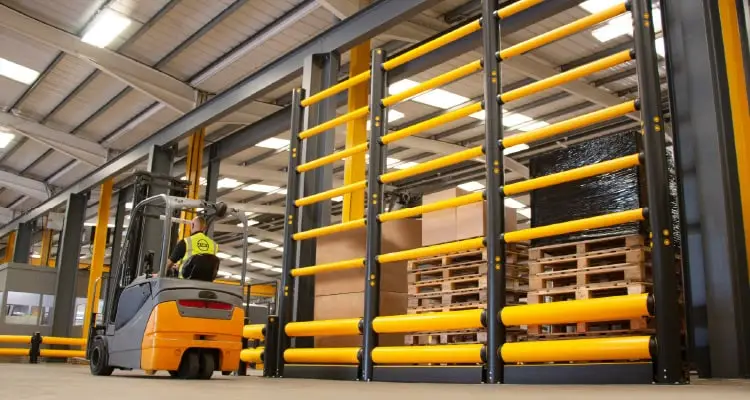
Different Operations Create Different Risks
Georgia-Pacific operates across paper and tissue, packaging and corrugated, cellulose, and building products. The equipment and processes change, but the same operational questions remain: where are people and vehicles interacting, what assets cannot afford to be hit, and where is repeated damage creating unnecessary work?
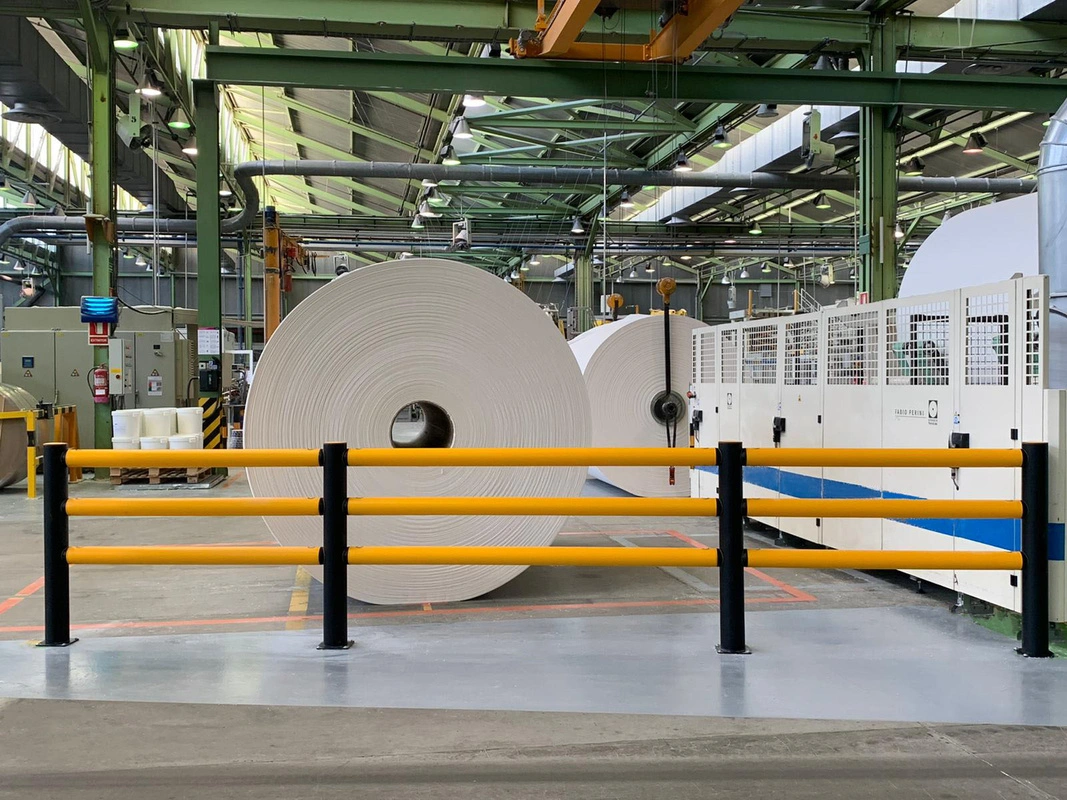
Paper And Tissue
Clamp trucks, large rolls, production machinery, converting areas, and pedestrian movement.
Packaging And Corrugated
Forklift traffic, staging areas, conveyors, stored product, and shipping operations.
Cellulose And Mills
Heavy equipment, raw-material movement, production infrastructure, and loading areas.
Building Products
Loaders, forklifts, machinery, automation, and high-volume material movement.
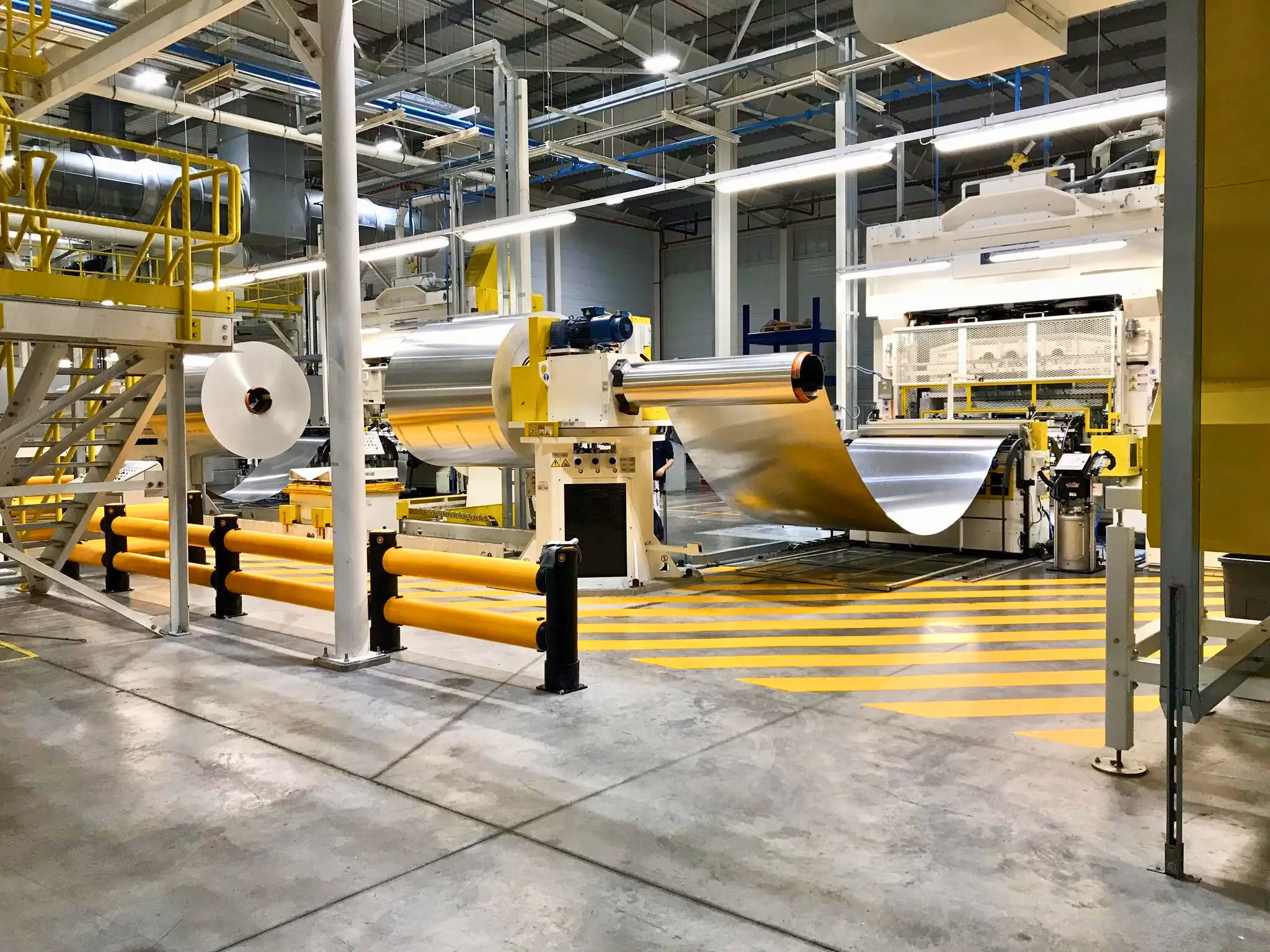
A-SAFE is already helping Georgia-Pacific solve impact, equipment, and material-handling challenges. If another facility is dealing with recurring steel damage, exposed equipment, busy traffic routes, or high-risk storage areas, let's look at what could work there next.