Barrier And Maintenance Repairs
Repeated replacement, maintenance labor and repair visits can turn routine impacts into an ongoing operating expense.

A-SAFE Risk & ROI Calculator
Answer a few questions about your operation to explore your facility risk, the cost of damage and downtime, and the potential financial impact of prevention.
The Real Cost Of Impact
In a busy distribution center, the financial impact of a collision can extend far beyond visible barrier damage. Repairs, interrupted traffic routes and secondary damage can all add cost to an incident.
Repeated replacement, maintenance labor and repair visits can turn routine impacts into an ongoing operating expense.
An impact that reaches the assets behind the barrier can create a much larger repair requirement than the protection itself.
High forces transferred into mounting points can contribute to damaged anchors, concrete repairs and additional installation work.
A damaged aisle or traffic route can affect picking, material movement and access long after the initial impact occurs.
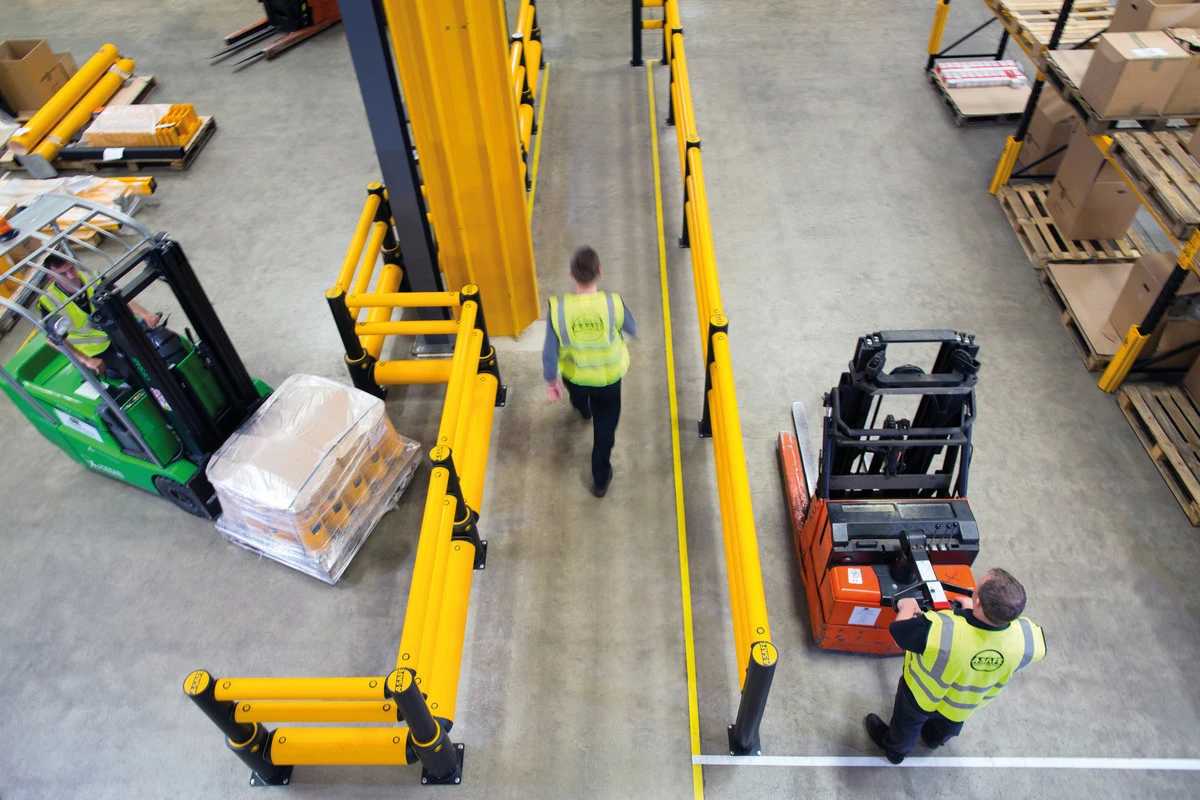
Built Around Constant Movement
Distribution centers depend on continuous movement. The more traffic a facility handles, the more important it becomes to control where vehicles travel, what they can reach and what happens when an impact occurs.
Repeated vehicle movement creates continuous exposure around aisles, turns, intersections and loading areas.
Protecting rack ends and storage infrastructure helps reduce the chance of one strike affecting a larger area.
Physical segregation creates clearer routes for people and vehicles throughout busy operational areas.
Tight turns, reversing vehicles and frequent material transfers increase exposure where operations are moving fastest.
Engineered For Repeated Impact
Effective impact protection is not only about what happens to the barrier. It is about controlling impact energy before it reaches the floor, racking, equipment and infrastructure behind it.
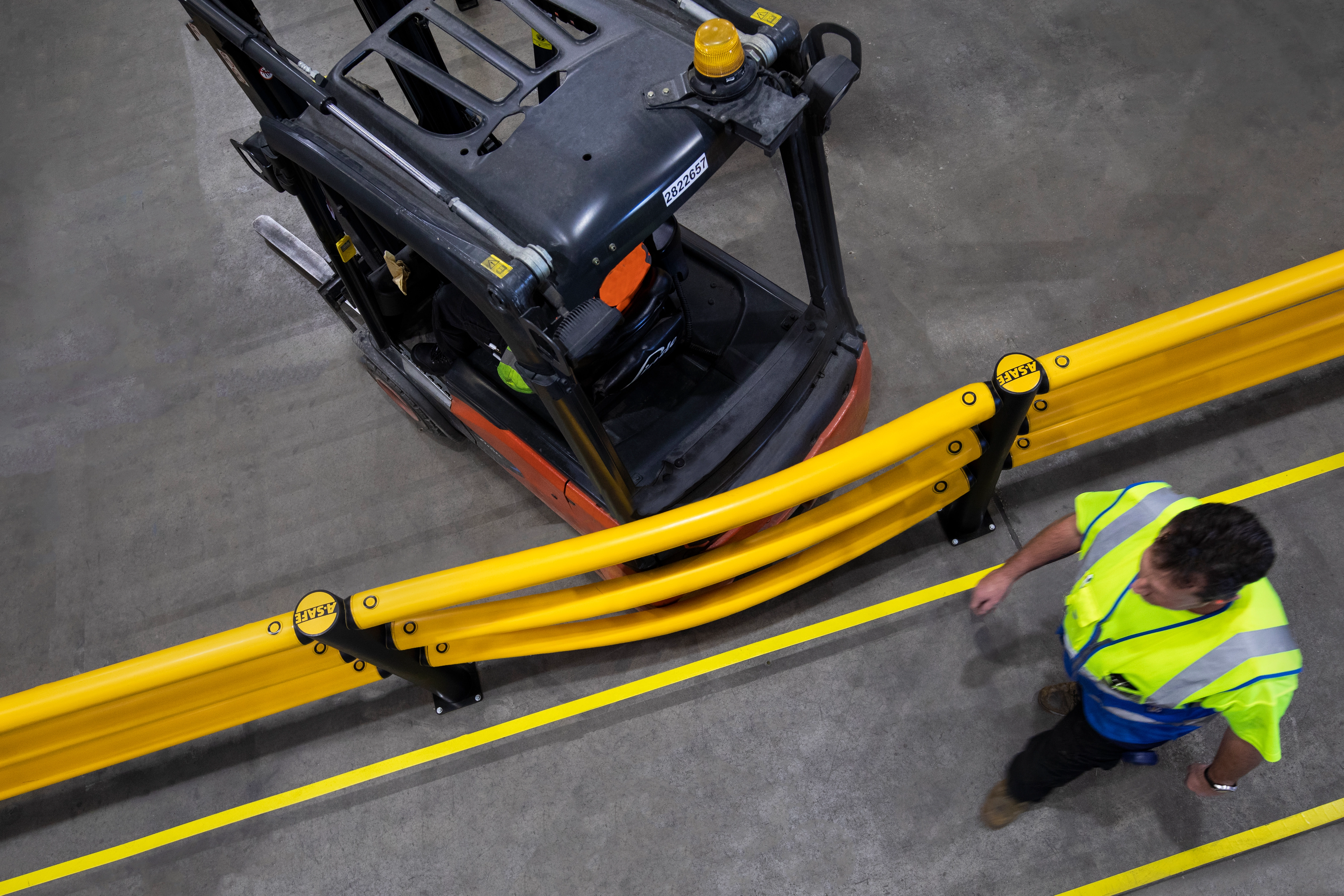
A-SAFE engineered polymer barriers flex under impact to help manage energy rather than behaving like a rigid structure.
Managing impact energy helps reduce the force transferred into mounting points and the surrounding floor.
The barrier is engineered to recover after impact, helping reduce the replacement and repair cycle created by routine vehicle strikes.
An A-SAFE specialist can help identify high-risk areas, recurring damage points and opportunities to reduce repair and disruption costs across your distribution facility.
Protect The Areas That Drive The Operation
Impact risk changes throughout a distribution center. Protecting the right areas helps reduce the chance that a routine strike becomes a larger operational problem.
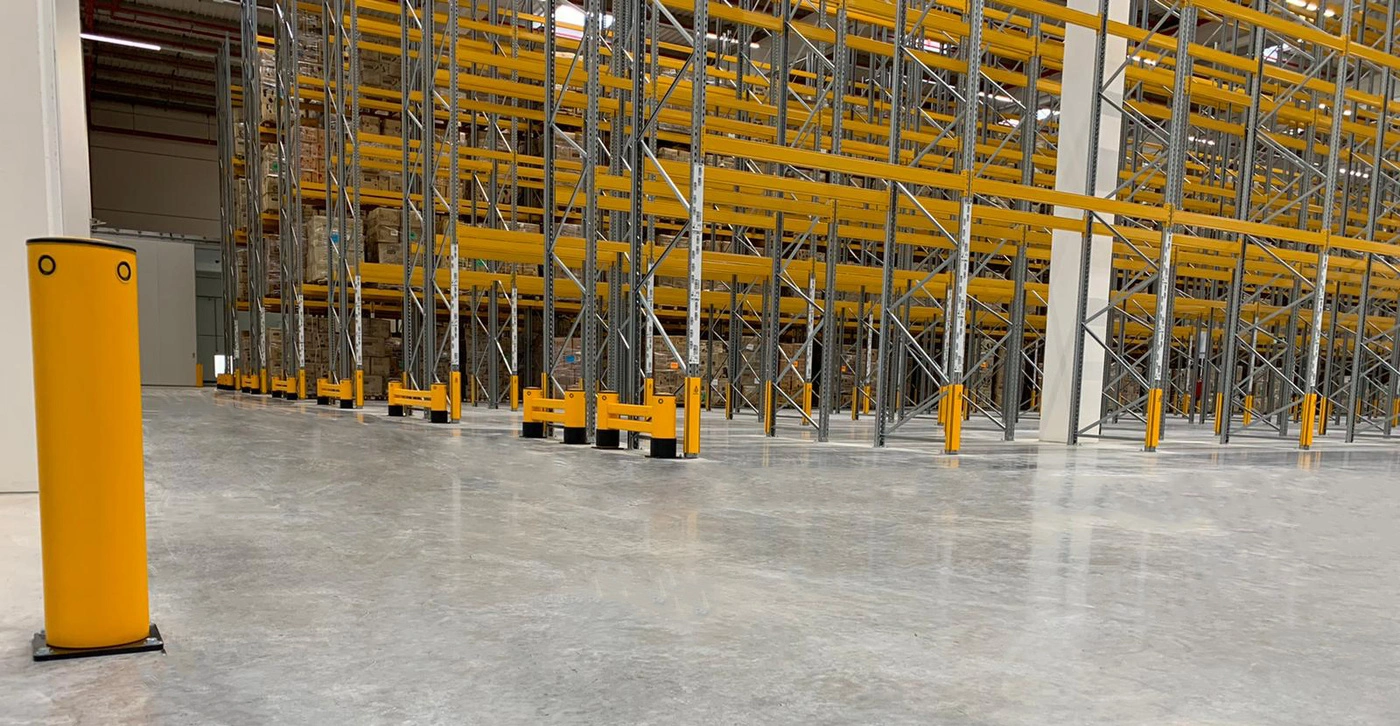
Help prevent routine vehicle strikes from becoming rack repairs, inventory disruption or temporary aisle closures.
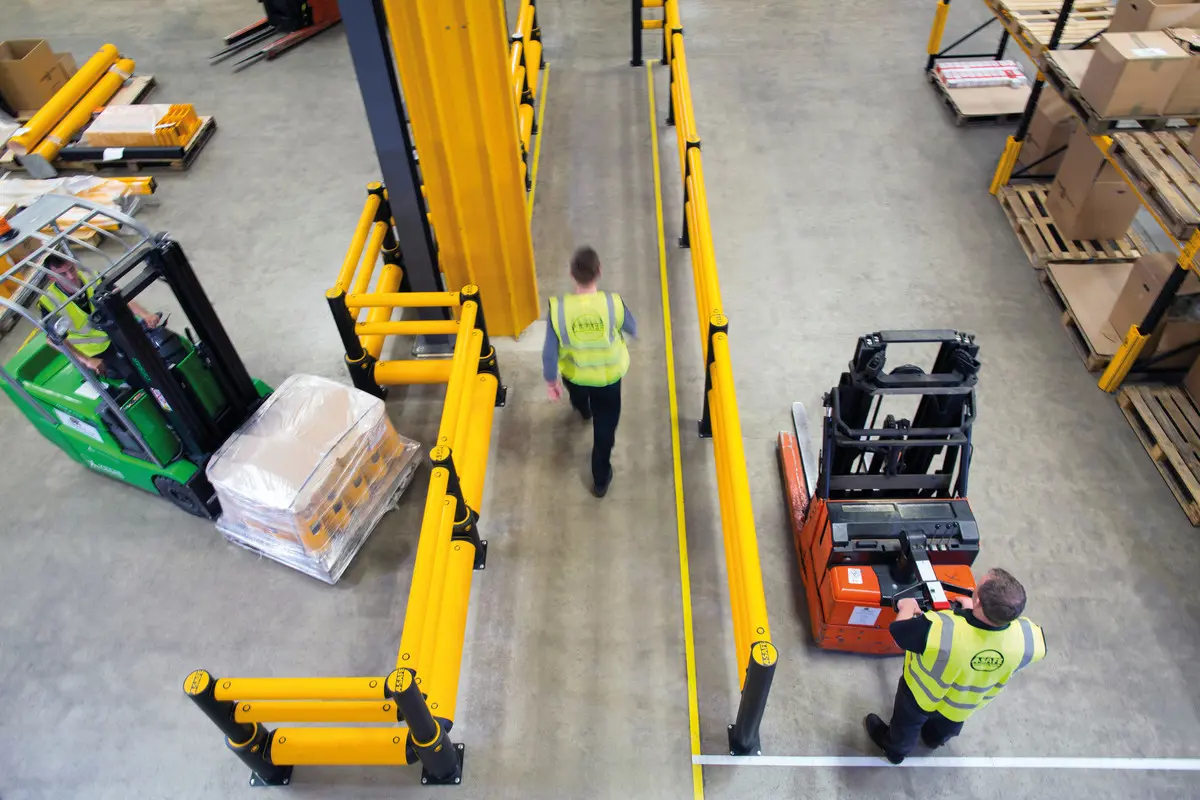
Create clear physical segregation while supporting the controlled movement of vehicles and people through the facility.
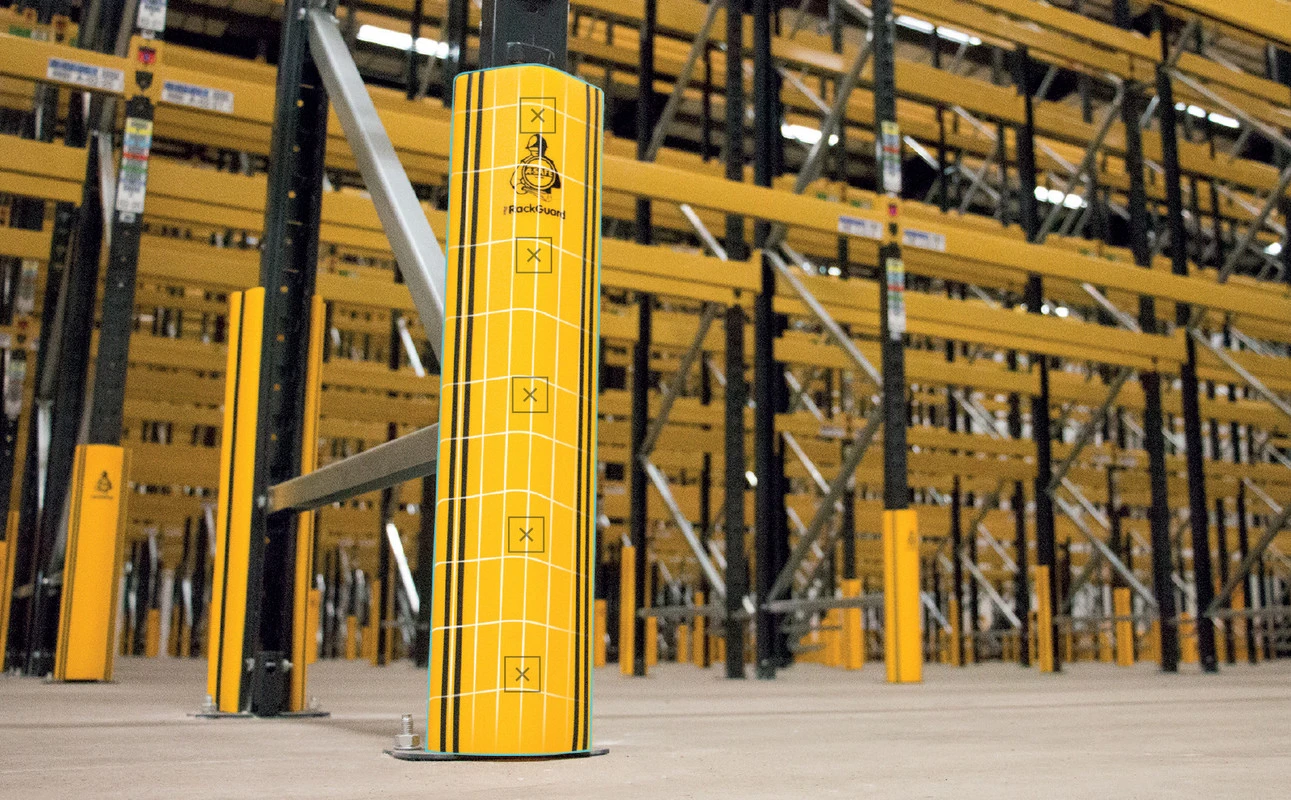
Protect columns and structural assets from vehicle impacts that could create additional repair work and operational disruption.
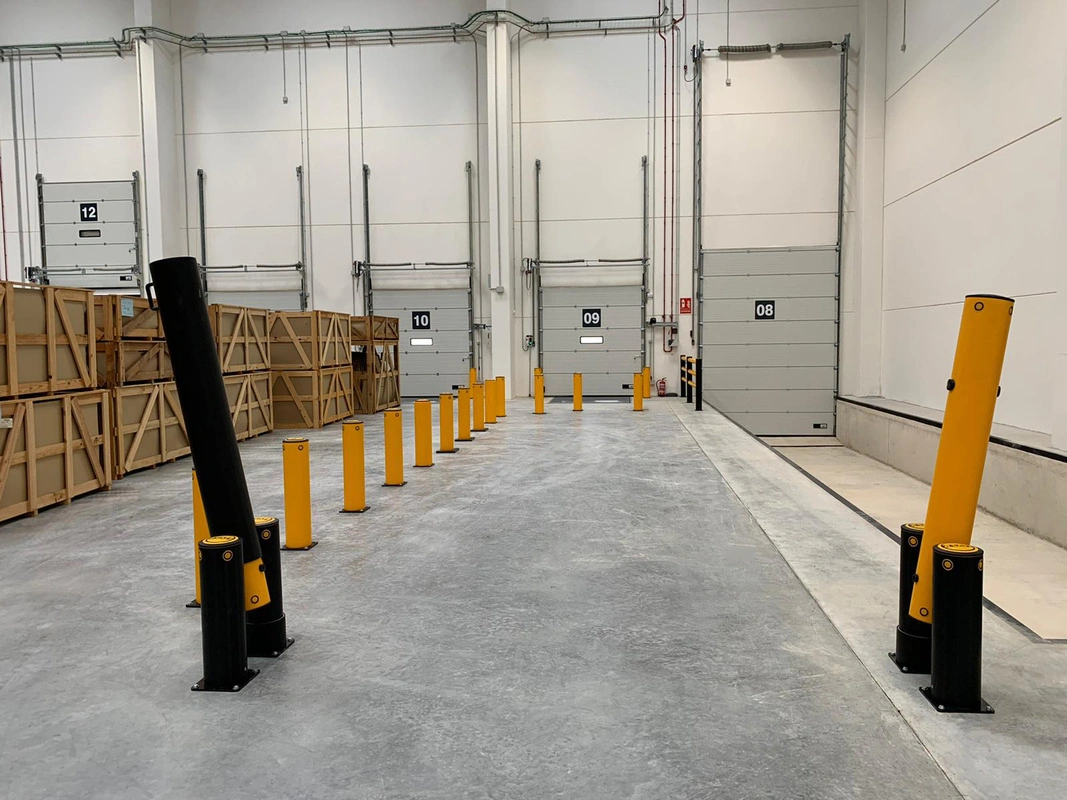
Protect high-activity transfer zones where reversing vehicles, tight turns and frequent loads create repeated impact exposure.
Beyond The Initial Installation
The value of impact protection is measured over time. A system designed for repeated impact can help reduce recurring repair activity while protecting the areas your operation depends on.
Reduce the cycle of damaged barriers, replacement parts and repeated maintenance intervention.
Managing impact energy helps protect floors, anchors, racking and assets from the wider consequences of a collision.
Reliable protection helps keep traffic routes, working areas and facility infrastructure available when operations are moving at pace.
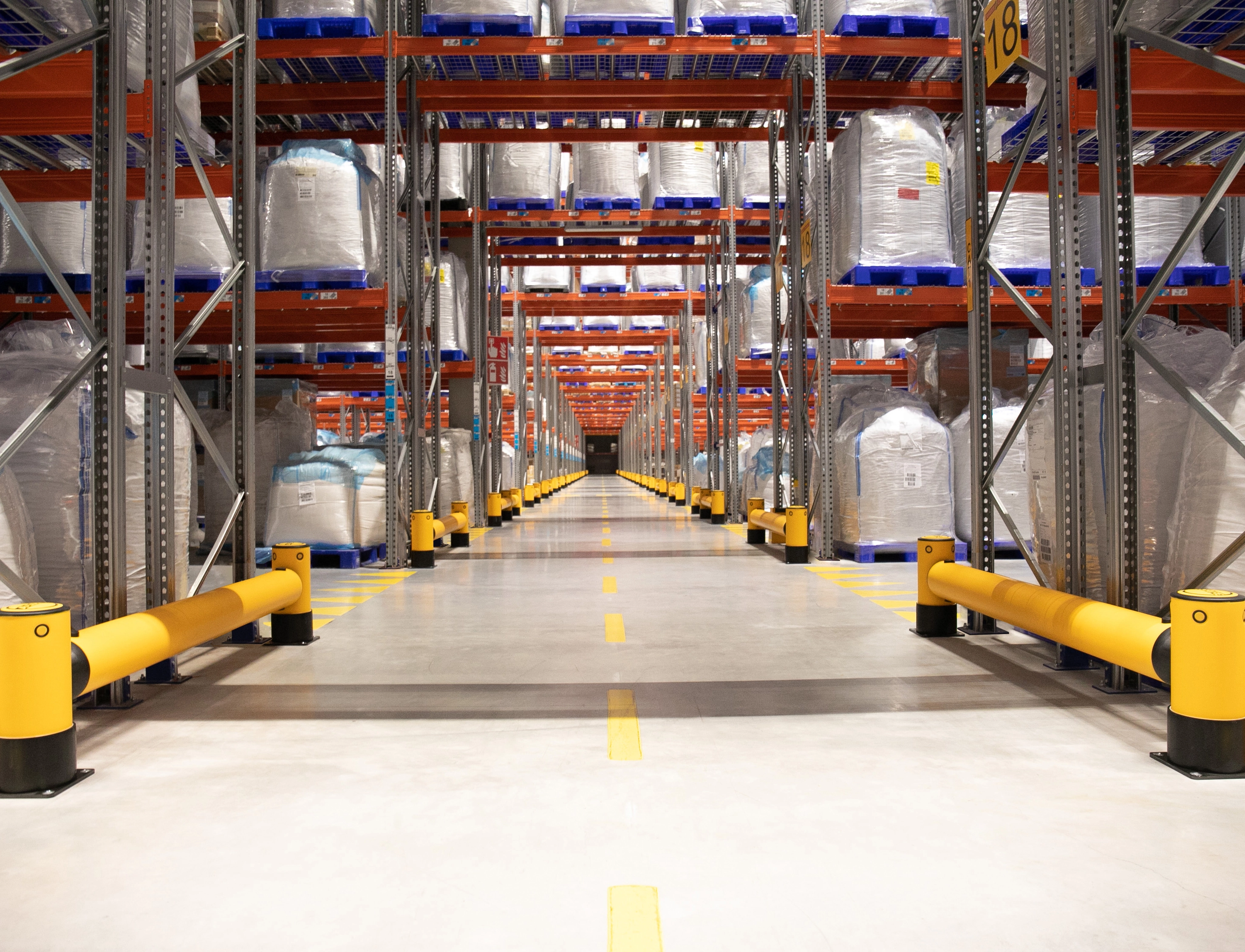
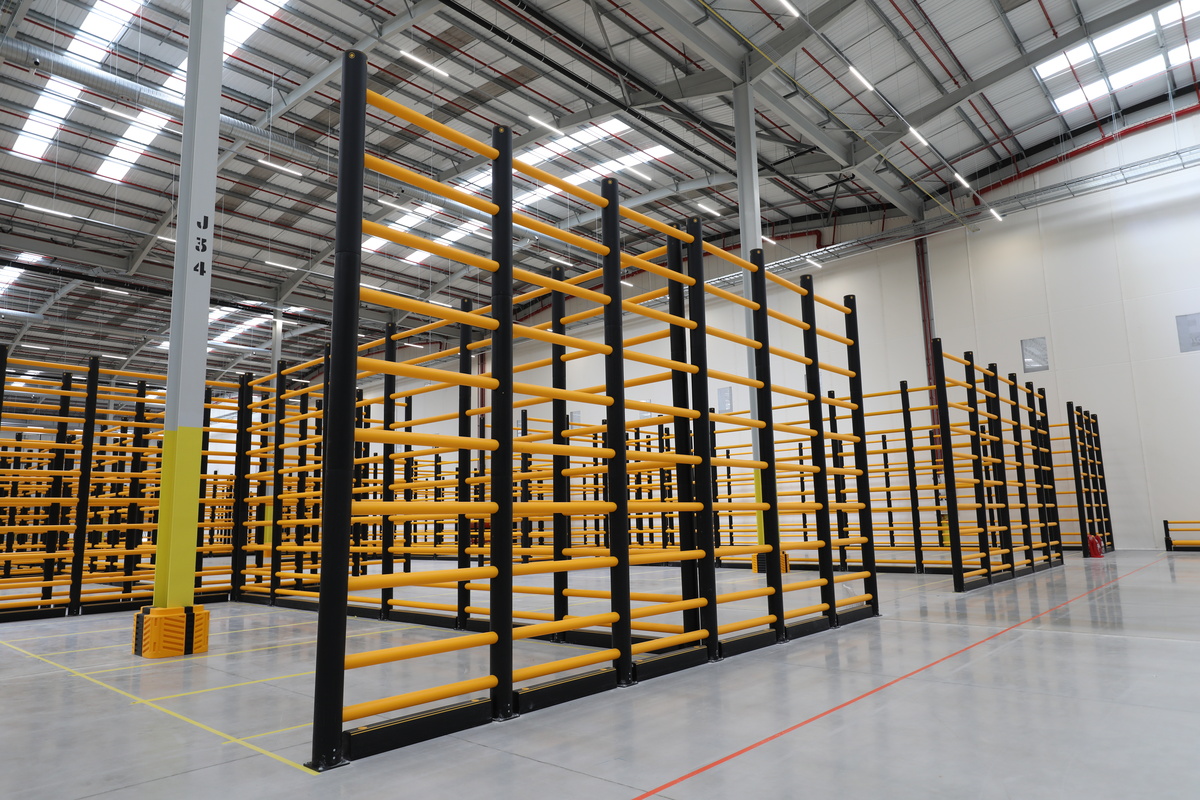
Every distribution facility is different. Tell us a little about your operation, and an A-SAFE specialist will help you identify the right barrier system to protect your equipment, infrastructure, and pedestrian areas.