Repairs & Replacement
Damaged barriers, equipment, doors, walls, and other assets need to be repaired or replaced.

The Repeat Damage Cycle
One impact can start a cycle that extends well beyond the damaged barrier, column, rack, or wall. The area gets hit, something gets damaged, maintenance responds, operations are interrupted, and the cost keeps building.
01
A vehicle reaches a known risk point.
02
The strike affects assets, floors, or infrastructure.
03
Maintenance time and replacement costs begin.
04
Work is interrupted while the area is addressed.
05
The impact becomes an operating expense.
06
The same hotspot remains exposed.
Fixing the damage without reducing the risk leaves the cycle ready to start again. Recurring damage becomes recurring spend.
The Real Problem
You keep paying for the same risk.
Where The Cost Actually Comes From
The visible repair is only one part of the expense. Recurring impacts can create costs across maintenance, infrastructure, equipment, and day-to-day operations.
Damaged barriers, equipment, doors, walls, and other assets need to be repaired or replaced.
Impact forces can damage concrete, anchors, columns, walls, and surrounding structures.
Every repeat repair pulls technicians away from planned maintenance and other priorities.
Damaged areas may need to be restricted, repaired, inspected, or temporarily taken out of service.
When damage affects critical equipment or operating areas, the cost can move far beyond maintenance.
Repairing the damage without reducing the underlying risk leaves the cycle ready to start again.
From Reactive To Planned
When impact damage keeps creating unexpected work, maintenance becomes reactive. Reducing repeat damage helps teams spend less time responding to the same incidents, keep resources focused on planned work, and manage operating costs with more control.
Reactive
REACT
Preventive
PLAN
The goal isn’t to budget more accurately for damage. It’s to reduce how often you have to budget for it at all.
Why Engineered Impact Protection Matters
Impact protection should do more than stand between a vehicle and an asset. The way the barrier manages that impact determines what happens next.
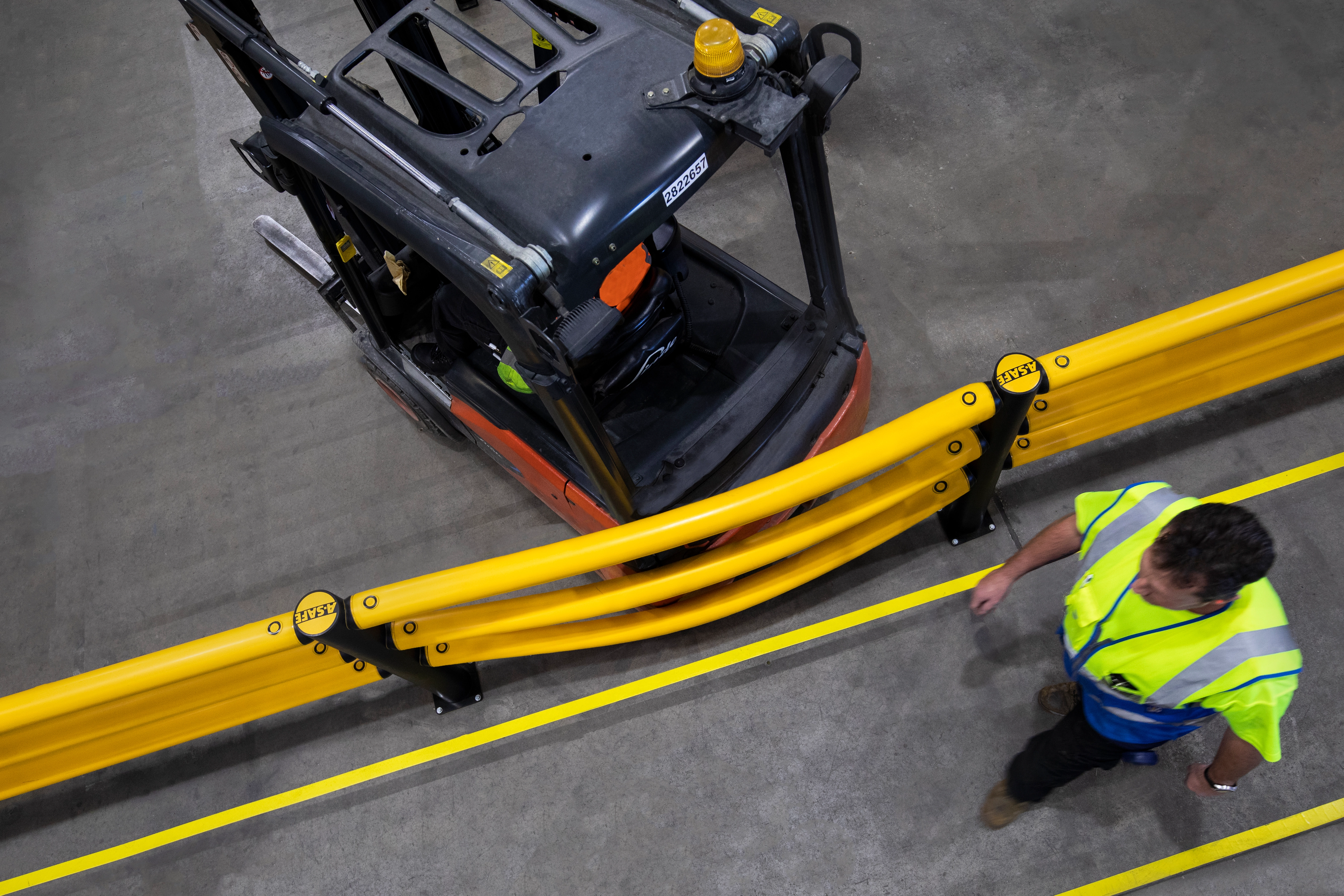
A-SAFE engineered polymer barriers are designed to absorb impact energy and flex under force rather than simply transferring that force into floors, anchors, infrastructure, or the asset being protected.
Engineered polymer flexes under impact to help manage the force of a collision.
Reduced force transfer helps protect floors, anchors, equipment, and infrastructure.
A-SAFE systems are designed for repeated-impact environments, not one strike followed by replacement.
Less secondary damage means fewer reasons for maintenance teams to return to the same hotspot.
Risk & ROI Calculator
Recurring impact risk creates costs that are easy to overlook when they are spread across repairs, maintenance, downtime, and infrastructure damage. Use the Risk & ROI Calculator to assess your facility risk and see how prevention could change the long-term cost.
Long-Term Value
Fewer repeat incidents mean fewer repair calls, less secondary damage, less disruption, and fewer unexpected demands on maintenance budgets.
Reduce the cycle of repairing the same high-risk areas again and again.
Help protect floors, anchors, infrastructure, equipment, and surrounding assets.
Reduce the operational disruption created when damaged areas need attention.
Protect the equipment and infrastructure your operation already depends on.
Give maintenance teams fewer reactive problems competing with planned work.
Reduce recurring expenses that make facility budgets harder to manage.
The result is a facility that is easier to maintain, easier to operate, and easier to plan for.
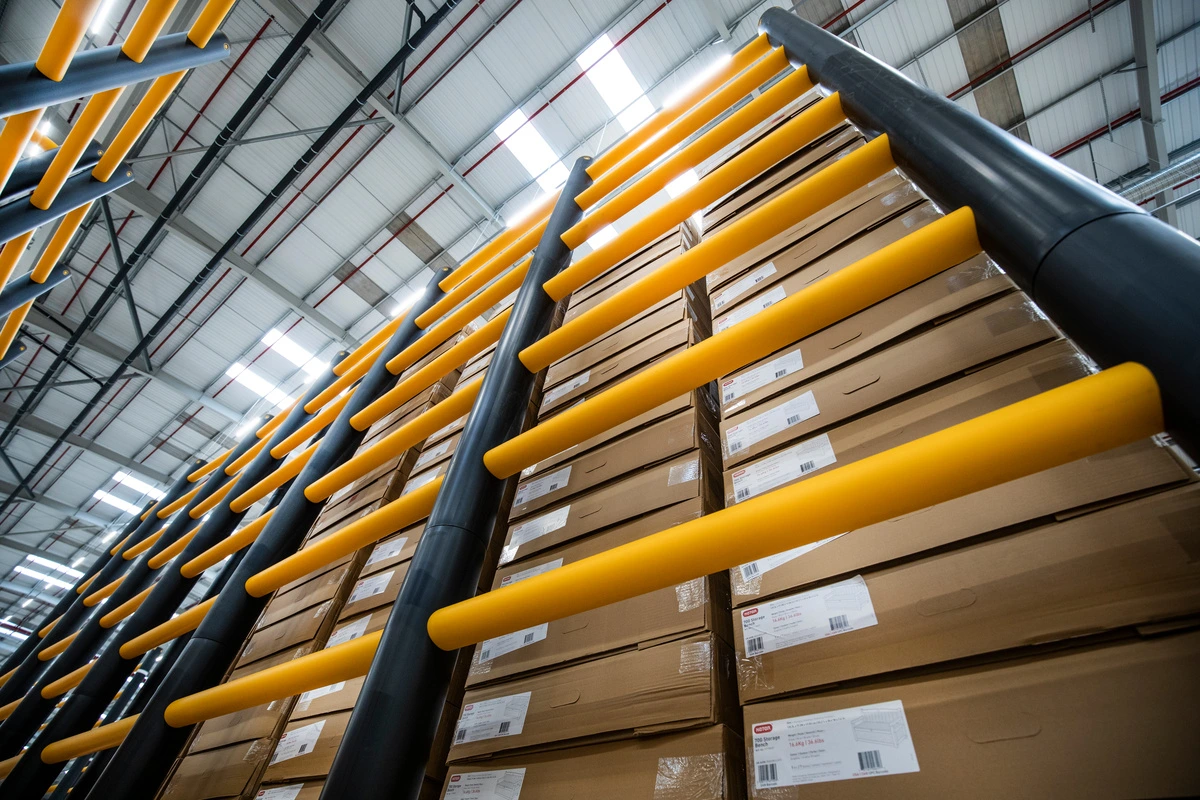
Tell us where impact damage is creating repairs, disruption, or recurring maintenance work. An A-SAFE specialist can help identify where prevention could make the biggest operational difference.